
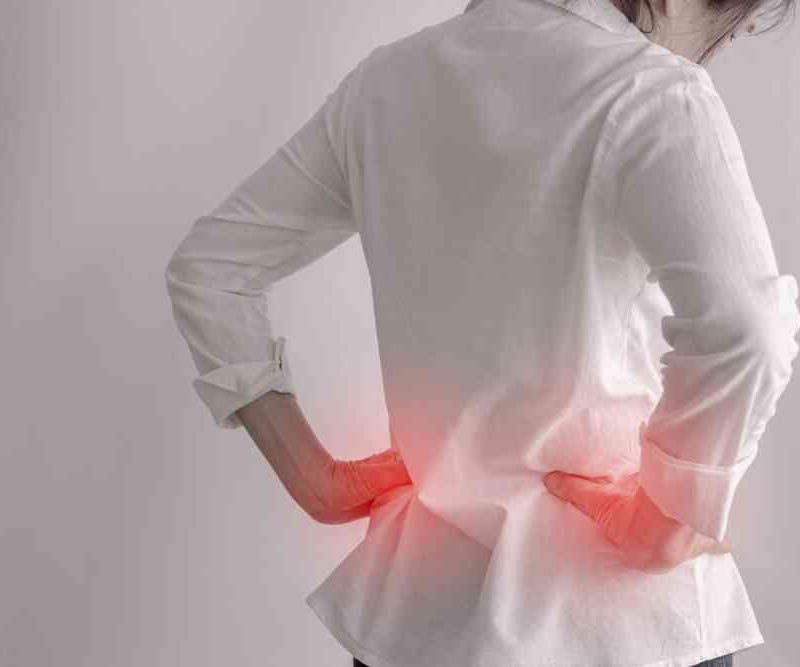
What Is Sciatica?
Sciatica happens when the sciatic nerve becomes irritated or compressed. The sciatic nerve is the largest in the body. It starts in the lower spine and travels through the hips, buttocks, legs, and feet.
When this nerve becomes inflamed, pain can travel along its pathway. Some people feel a sharp stabbing pain. Others notice burning, tingling, numbness, or weakness in one leg. The pain usually affects only one side of the body.
Many patients describe sciatica as pain that comes and goes without warning. Sitting for long periods may make it worse. Standing up too quickly, coughing, or bending over can also trigger discomfort.
For some people, the pain stays mild. For others, it becomes severe enough to interfere with daily life. Walking across a parking lot may feel difficult. Driving can become uncomfortable. Even sleep may be affected when nerve pain persists through the night.
Ignoring the symptoms often allows the condition to worsen over time. Early treatment may help reduce inflammation before the nerve damage becomes more serious.
Common Signs of Sciatica
Sciatica symptoms vary from person to person. The location and intensity of the pain often depend on what is irritating the nerve.
Some of the most common symptoms include:
-
Lower back pain that spreads down the leg
-
Burning or electric-like pain
-
Tingling in the foot or leg
-
Numbness in certain areas
-
Muscle weakness
-
Pain that becomes worse while sitting
-
Trouble standing for long periods
Some patients feel pain all the way down to the foot. Others only feel discomfort in the hip or thigh. In many cases, symptoms come and go at first before becoming more constant.
Pain that lasts for weeks should never be ignored. Persistent nerve irritation can eventually affect strength, mobility, and overall comfort.
What Causes Sciatica?
Several conditions may place pressure on the sciatic nerve. One of the most common causes is a herniated disc in the lower spine. When a spinal disc shifts or degenerates, it can press on nearby nerves and trigger pain.
Bone spurs may also narrow the space around the nerve. This pressure often creates inflammation and irritation.
Other factors that increase the risk of sciatica include poor posture, long hours of sitting, excess body weight, and physically demanding jobs. People who drive for long periods or regularly lift heavy objects may place added strain on the lower back.
Age also plays a role. As the spine ages, the risk of disc problems and nerve compression increases.
Certain medical conditions, including diabetes, may also increase the risk of nerve damage. Because every patient is different, finding the exact source of the pain is important before treatment begins.
Why Sciatica Should Not Be Ignored
Some people hope that sciatica will go away on its own. While mild cases can improve, ongoing nerve irritation may lead to lasting problems.
Untreated sciatica can affect the muscles connected to the nerve. Weakness in the leg may slowly develop. Balance and walking can become harder. Daily activities may feel frustrating or exhausting.
Chronic pain also affects mental and emotional health. Constant discomfort may lead to stress, poor sleep, irritability, and reduced activity levels. Over time, many people stop doing the things they once enjoyed because movement becomes too painful.
Seeking treatment early may prevent the condition from progressing further. Addressing the cause instead of simply masking the pain often leads to better long-term results.
A Personalized Approach to Pain Relief
At Jerome O Carter, MD, we believe pain care should never follow a one-size-fits-all approach. Every patient experiences sciatica differently. That is why we focus on creating individualized treatment plans based on each person’s symptoms, condition, and lifestyle.
The first step is understanding where the pain begins and how it affects your daily routine. A detailed evaluation helps identify the source of the nerve irritation. Once the cause is clear, treatment options can be tailored to support relief and recovery.
Our goal is to help patients reduce pain while avoiding unnecessary surgery whenever possible. Many people respond well to targeted interventional care designed to calm inflammation and improve movement.
Interventional Pain Management for Sciatica
Interventional pain management focuses on procedures that target pain directly at the source. These treatments are often less invasive than surgery and may provide meaningful relief for patients struggling with chronic nerve pain.
One option may include steroid injections designed to reduce inflammation around the irritated nerve. Lowering inflammation can help decrease pressure and improve comfort.
Nerve blocks may also help interrupt pain signals traveling through the affected area. Some patients experience better mobility and reduced discomfort after these treatments.
Because every case is unique, the right treatment depends on the severity of the condition and the patient’s overall health.
Interventional procedures are often combined with supportive care strategies to promote long-term improvement rather than short-term relief alone.
The Role of Movement and Physical Therapy
Many people with sciatica avoid movement because they fear making the pain worse. While certain motions can increase discomfort, gentle movement often plays an important role in recovery.
Specific stretches and exercises may improve flexibility, strengthen supporting muscles, and reduce pressure on the sciatic nerve. Improving posture and body mechanics may also decrease stress on the lower back.
Physical therapy can help patients learn safer ways to move during daily activities. Small changes in posture, lifting habits, and sitting position may reduce flare-ups over time.
Staying active in a safe, controlled way is often more helpful than prolonged complete bed rest.
Lifestyle Habits That May Help Reduce Sciatica Pain
Daily habits can make a major difference in how the body responds to nerve pain. Small adjustments may help reduce stress on the spine and support recovery.
Maintaining a healthy weight may reduce pressure on the lower back and hips. Regular movement can also help keep muscles strong and flexible.
People who sit for long hours may benefit from standing and stretching throughout the day. Supportive chairs and proper posture may ease strain on the spine during work or driving.
Sleep position matters too. Some patients find relief by sleeping with a pillow under the knees or between the legs to support spinal alignment.
Simple home methods, such as alternating heat and cold therapy, may also help reduce soreness and inflammation during flare-ups.
Regenerative Medicine and Modern Pain Care
Pain management continues to evolve, and newer therapies are creating additional options for patients seeking relief. At Jerome O Carter, MD, we also offer regenerative medicine therapies, including exosomes and stem cell treatments.
These therapies focus on supporting the body’s natural healing process. While every patient responds differently, regenerative medicine may become part of a broader treatment plan for chronic pain conditions.
Patients searching for alternatives to more invasive procedures often appreciate having modern treatment options available close to home.
IV Ketamine Therapy for Chronic Pain and Mood Disorders
Chronic pain not only affects the body. It can also affect emotional health, energy levels, and overall quality of life. Many patients dealing with long-term pain also experience stress, anxiety, or mood-related struggles connected to their condition.
IV ketamine therapy has become another option in modern pain care for certain chronic pain conditions and mood disorders. This therapy works differently from traditional pain treatments and may help some patients who have not responded well to other methods.
Because chronic pain is complex, care plans should address both physical and emotional well-being whenever possible.
When to Seek Professional Help
Many people wait too long before seeking treatment for sciatica. They hope the pain will fade with rest or over-the-counter medication. Unfortunately, symptoms often continue getting worse without proper care.
You should consider a professional evaluation if:
-
Pain lasts longer than a few weeks
-
Symptoms keep returning
-
Walking becomes difficult
-
You notice numbness or weakness
-
Sitting or standing causes severe discomfort
-
Daily activities are becoming harder to manage
The sooner the source of the pain is identified, the sooner a treatment plan can begin.
Living With Less Pain Is Possible
Sciatica can make everyday life feel harder than it should. Simple movements become frustrating. Long car rides feel endless. Even relaxing at home may become uncomfortable when nerve pain constantly interrupts your routine.
The good news is that many patients find relief with the right treatment approach. Pain management today offers more options than ever before, including targeted interventional procedures, regenerative medicine therapies, and supportive care designed around the individual.
At Jerome O Carter, MD, we focus on helping patients take control of their pain through personalized care that supports comfort, mobility, and long-term wellness. Our team proudly serves patients throughout Baytown and the surrounding areas with compassionate, patient-focused treatment.
You do not have to let sciatica control your daily life. With proper care, many people can move better, feel stronger, and return to activities they once avoided because of pain.