Understanding a Herniated Disc
Your spine is made of small bones called vertebrae. Between each bone sits a soft disc that acts like a cushion. These discs help absorb pressure and allow the body to bend, twist, and move smoothly.
Each disc has a soft center and a tougher outer layer. When the outer layer weakens or tears, the soft center can push outward. This is called a herniated disc. Some people also call it a slipped disc or ruptured disc.
A herniated disc can compress nearby nerves. That pressure is often what causes pain, tingling, weakness, or numbness.
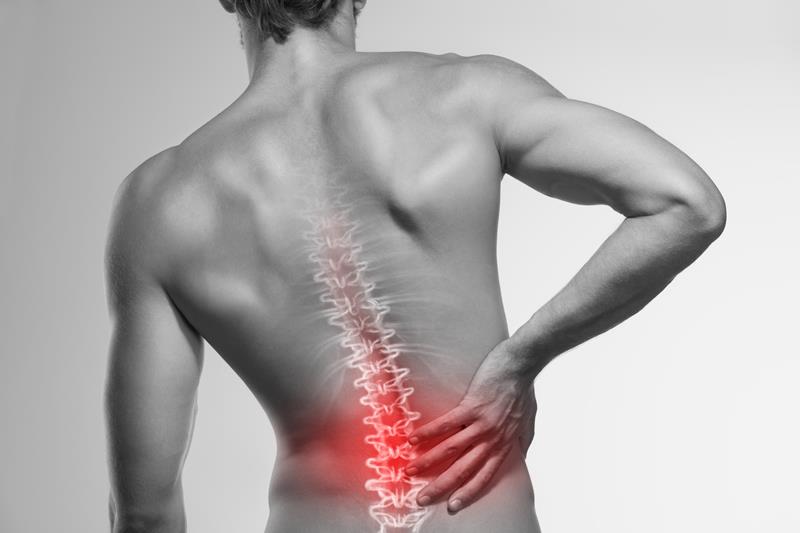
This problem can happen in different parts of the spine, but it most often affects the neck or lower back. A lower back disc problem may cause pain that radiates into the hip, buttock, or leg. A neck disc issue may send pain into the shoulders, arms, or hands.
Some people experience symptoms only occasionally. Others deal with constant pain that interrupts work, sleep, and daily routines.
Why Herniated Discs Happen
Aging is one of the biggest reasons discs become damaged. Over time, discs naturally lose moisture and flexibility. As they dry out, they become weaker and more likely to tear.
Daily movements can also strain the spine. Lifting heavy objects the wrong way, twisting suddenly, or bending often can place pressure on spinal discs. In some cases, even a small movement can trigger pain if the disc is already weakened.
Accidents and injuries may also lead to disc damage. A fall, sports injury, or car accident can put sudden force on the spine.
Certain lifestyle habits can also increase the risk. Poor posture, excess weight, smoking, and lack of movement may all place extra stress on the back.
While herniated discs are common in adults over 40, younger adults can also develop this condition.
Common Symptoms to Watch For
Not every herniated disc causes symptoms. Some people may not realize they have one until imaging tests reveal it. But when the disc presses against a nerve, symptoms can become hard to ignore.
Pain is the most common sign. The pain may feel sharp, burning, aching, or electric-like. It may remain in one area or travel along a nerve’s path.
People with lower back disc problems often describe pain shooting down the leg. This is commonly known as sciatica.
Other symptoms may include:
-
Numbness
-
Tingling sensations
-
Muscle weakness
-
Trouble standing or walking for long periods
-
Pain that worsens when coughing or sneezing
-
Reduced flexibility or movement
Some patients notice symptoms come and go. Others feel discomfort every day.
Ignoring these signs can sometimes lead to the condition worsening. Early treatment may help reduce inflammation before the pain becomes more severe.
How Pain Impacts Daily Life
Chronic pain affects more than physical movement. It can slowly change everyday habits and routines.
Many people stop doing activities they once enjoyed. Exercise becomes difficult. Travel may feel uncomfortable. Long workdays can become exhausting.
Pain can also affect sleep. A person may toss and turn all night trying to find a comfortable position. Poor sleep then leads to fatigue, stress, and lower energy during the day.
Over time, chronic discomfort may even affect emotional health. Some people feel frustrated because they cannot move the way they used to. Others become anxious about when the pain will strike again.
At Jerome O Carter, MD, we recognize that pain management is not only about treating symptoms. It is about helping patients return to a better quality of life.
Finding the Source of the Pain
Back pain can have many causes. Muscle strain, arthritis, nerve problems, and disc injuries can all create similar symptoms. That is why a proper evaluation matters.
During an appointment, Dr. Jerome Carter carefully reviews symptoms, medical history, and physical movement. Understanding when the pain started and how it behaves helps guide the next steps.
Imaging tests, such as MRI scans, may help confirm the presence of a herniated disc. These images allow the affected area to be examined closely.
Once the source of pain is identified, a treatment plan can be created based on the patient’s condition and goals.
No two patients are exactly alike. Some people need help controlling inflammation. Others may require treatments focused on nerve pain or mobility.
The goal is always to choose the most effective approach while avoiding unnecessary procedures whenever possible.
Personalized Pain Management Plans
Every patient experiences pain differently. One person may struggle with severe leg pain while another deals with numbness and weakness. Because of this, treatment should never follow a one-size-fits-all plan.
At Jerome O. Carter, MD, care is centered on the individual.
Some patients improve with conservative treatment. Others may benefit from advanced interventional procedures designed to target pain directly at its source.
The focus remains on reducing pain, improving movement, and helping patients regain control of daily life.
Instead of rushing into surgery, many people first explore less invasive options that may provide strong relief with shorter recovery times.
Interventional Pain Procedures
Interventional pain management focuses on treating pain through targeted procedures. These treatments are designed to reduce inflammation, calm irritated nerves, and improve comfort.
For patients with herniated discs, injections may sometimes help reduce swelling around affected nerves. By reducing inflammation, pressure on the nerve may decrease, helping relieve pain.
These procedures are carefully performed with precision and attention to patient safety.
Interventional care also helps patients participate more comfortably in physical therapy and daily activities. When pain levels improve, movement often becomes easier.
The appropriate procedure depends on the location of the disc injury, symptom severity, and the patient’s overall health.
Regenerative Medicine for Chronic Pain
Many patients today are looking for new ways to manage chronic pain without major surgery. Regenerative medicine has become an area of growing interest because it focuses on supporting the body’s natural healing process.
Jerome O. Carter, MD, now offers regenerative medicine options, including exosomes and stem cell therapies.
These treatments are being explored as part of modern pain management approaches for certain patients dealing with ongoing discomfort.
Regenerative medicine may help support damaged tissues and reduce inflammation in targeted areas. While every patient responds differently, many people are interested in treatments that focus on healing rather than simply masking symptoms.
Dr. Carter works closely with patients to determine whether regenerative medicine may be part of their personalized care plan.
IV Ketamine Therapy and Chronic Pain
Chronic pain often affects both the body and the mind. Long-term discomfort can increase stress, anxiety, and emotional exhaustion.
Jerome O Carter, MD, also offers IV ketamine therapy for chronic pain and mood disorders.
Ketamine therapy has gained attention in recent years for its potential role in helping certain patients who have not found relief through traditional methods.
For some individuals, chronic pain changes how the nervous system processes discomfort. Ketamine therapy may help reset certain pain pathways within the brain.
Some patients also report improvements in mood and mental well-being during treatment.
Every patient is evaluated carefully before treatment begins. Safety, medical history, and treatment goals are always considered.
Physical Therapy and Movement Support
Movement plays an important role in spinal health. While rest may help for short periods, too little movement can sometimes make stiffness worse.
Physical therapy may help strengthen muscles that support the spine. Better strength and flexibility can reduce pressure on injured areas.
Therapy programs are often designed around the patient’s comfort level and physical ability.
Simple stretching, posture training, and guided exercises help improve stability and movement over time.
Patients are also often taught safer ways to bend, lift, and move during daily activities.
Small changes in body mechanics can help reduce strain on the spine and lower the chance of future flare-ups.
When Surgery May Be Considered
Many herniated discs improve with conservative care and interventional treatments. However, there are situations in which surgery may still be necessary.
If symptoms continue getting worse, severe weakness develops, or nerve damage becomes more serious, surgical treatment may be discussed.
The type of surgery depends on the condition of the disc and surrounding structures.
Even when surgery is considered, patients often benefit from understanding all available treatment options first.
At Jerome O Carter, MD, the goal is to help patients explore effective pain relief methods while avoiding invasive procedures whenever possible.
Early Care Can Make a Difference
One of the biggest mistakes people make is waiting too long before seeking treatment.
Many hope the pain will disappear on its own. While mild discomfort may improve with rest, persistent symptoms should not be ignored.
Ongoing nerve pressure can sometimes lead to worsening pain, weakness, or mobility issues.
Getting evaluated early may prevent symptoms from becoming harder to manage later.
Early treatment may also allow patients to stay more active and maintain a better quality of life.
Building Long-Term Spine Health
Managing a herniated disc is not only about treating today’s pain. It is also about protecting the spine moving forward.
Healthy habits can support long-term back health.
Maintaining good posture, staying active, and avoiding heavy strain on the back may help lower stress on spinal discs.
Weight management can also reduce pressure placed on the spine during daily movement.
Even small lifestyle adjustments can make a noticeable difference over time.
Patients who understand their condition often feel more confident managing symptoms and preventing future problems.
Compassionate Care Close to Home
Living with back or neck pain can feel overwhelming. Many people worry they will never return to normal activities again.
At Jerome O Carter, MD, patients receive care focused on understanding their pain and helping them move toward relief.
The team proudly serves Baytown, Texas, and surrounding communities with individualized treatment plans designed around each patient’s needs.
Pain should not control your routine, your work, or your relationships. Whether symptoms are mild or severe, getting the right support matters.
Through interventional pain management, regenerative medicine, and personalized care, patients can explore modern approaches to reduce discomfort and improve daily life.
Conclusion
A herniated disc can interrupt almost every part of daily living. What begins as back or neck discomfort can slowly affect sleep, movement, work, and emotional well-being. The pain may come and go, or it may become constant enough to interfere with normal routines.
The good news is that many people can find relief through proper treatment and personalized care. Understanding the source of pain is the first step toward improving quality of life.
At Jerome O. Carter, MD, patients receive focused care tailored to their unique conditions and goals. From interventional pain procedures to regenerative medicine and IV ketamine therapy, treatment plans are designed to help patients manage pain while avoiding unnecessary surgery whenever possible.
No one should feel forced to live with chronic pain every day. With the right approach, many patients can improve mobility, reduce discomfort, and return to activities they enjoy.
If back pain, nerve pain, or symptoms related to a herniated disc are affecting your life, seeking professional evaluation may help you move closer to lasting relief.